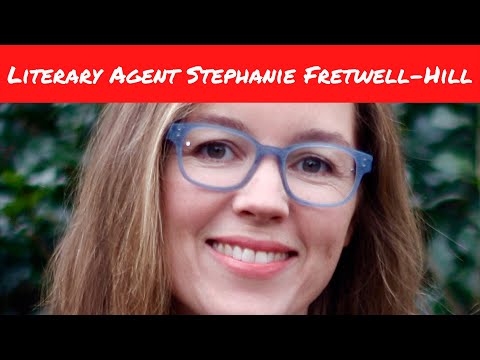
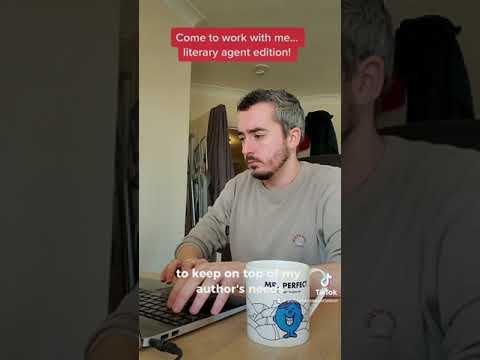
Photo: summonedbyfells (CC BY 2.0)
Job description
Agents spend part of their time reading submissions and query letters to decide which authors' work they believe they can sell, then pitch manuscripts to editors at publishing houses and negotiate advances, royalties, and other contract terms. Beyond the deal itself, agents advise authors on career strategy and manage subsidiary rights sales like foreign or film rights, and build relationships with editors at industry conferences and events. Because compensation is a cut of what clients earn, income is closely tied to deal size, and the calendar alternates between quiet stretches of reading and outreach and intense bursts around submission windows or auctions.
Pros
- High earning ceiling (up to $200k) for agents who build a strong client roster
- Directly shapes authors' careers, from a first sale through long-term strategy
- Blends reading, deal-making, and relationship building rather than one repetitive task
Cons
- Income is commission-based, tied directly to the size of deals landed
- Above-average hours (up to 55/week) with bursts of intense pressure around auctions
- Entry typically requires starting as an agency assistant, a low-paying apprenticeship period
A typical day
The morning starts in the slush pile — forty queries overnight, read fast but fairly, hunting the one paragraph with a voice that makes the agent stop scrolling. One does: a full manuscript gets requested. Mid-morning is a client call that requires diplomacy — a beloved author's new manuscript isn't working, and honest editorial feedback delivered kindly is the relationship's real test. Lunch is with an editor from a major house, cataloging what she's hungry for (upmarket book club fiction, no more dystopias). The afternoon is the job's adrenaline: a submission goes to auction with three houses bidding, and the agent works the phones, leveraging each offer against the next — the difference between offers is a client's mortgage. Contracts close the day: royalty clauses, reserved rights, an audio deal negotiated separately because the agent kept those rights deliberately. Every dollar the agent earns is fifteen percent of a dollar earned for an author; the incentives are beautifully aligned.
Tasks at the job
- Review manuscript submissions and query letters from prospective clients.
- Pitch client manuscripts to editors at publishing houses.
- Negotiate contract terms, advances, and royalty structures.
- Advise authors on career strategy, positioning, and next projects.
- Manage subsidiary rights sales, such as foreign or film rights.
- Attend industry conferences and events to build publisher relationships.
Workplace & working conditions
Work happens indoors at a desk, supplemented by travel to publishing conferences and industry events.
The job is relationship- and negotiation-heavy, with income tied directly to deals closed. Submission windows and auction deadlines create bursts of intense pressure between otherwise self-directed stretches of reading and outreach.
Education necessary or common
Bachelor's degree in English or a related field; entry is typically through an agency assistant role
Common college majors
Career path
Related fields
Courses to take
- AP English Literature — taste is trained by volume and quality of reading
- AP English Language — pitching is persuasion in one paragraph
- Business Math — advances, royalties, and percentages are the deal's skeleton
- AP Psychology — authors and editors both run on relationships
- Journalism or creative writing electives — knowing writing from the inside
Clubs, activities & competitions
- Literary magazine — editing and selecting work is the job in miniature
- School newspaper — deadlines and editorial judgment
- Book clubs — articulating why a book works or doesn't
- DECA — negotiation practice
- Reading massively and currently — know what's being published NOW, not just the classics
First steps you can take now
- Read the acknowledgments pages of ten recent books you loved — agents are thanked by name; learn who represents what
- Write a one-paragraph pitch for your favorite recent novel and compare it to the jacket copy
- Follow publishing news (Publishers Weekly and agent blogs are free) for a semester
- Intern or volunteer anywhere near books: bookstore, library, literary festival