Photo: Maj Guy Hayes (Public domain)
Job description
Using instruments and pharmaceutical agents, optometrists test visual acuity, focus, and coordination to catch conditions like glaucoma or color blindness, then develop a treatment plan based on the results. Beyond prescribing and fitting glasses or contacts, many optometrists can prescribe medications where state law allows, and they counsel patients on contact lens care and eye safety. The pace is fast and highly structured, requiring real precision and regular interaction with patients, including those who arrive frustrated or in discomfort.
Pros
- Strong pay range topping out over $200k, solid even at the entry level
- Much faster than average projected job growth (8%) versus most occupations
- A single doctoral degree (OD) without the lengthy residency many medical specialties require
Cons
- Fast-paced days with real time pressure to keep exam schedules moving
- Regularly deals with frustrated or upset patients over vision problems or ill-fitting lenses
- Precision demands mean mistakes in prescriptions or diagnoses carry real consequences
A typical day
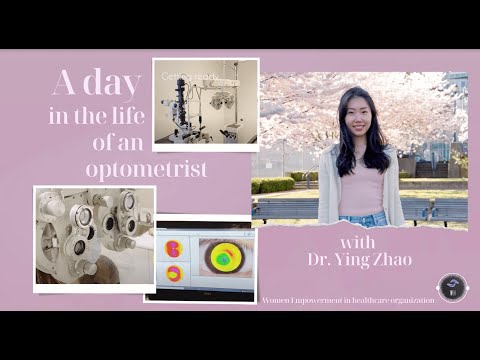
Patients book in 30-minute slots starting at 8am, and the rhythm is steady: refraction — the better-one-or-two dance — followed by the slit-lamp exam and a retinal look that makes optometry more than glasses, because today it catches a hypertensive patient's narrowed vessels and a diabetic's early retinopathy, both referred with letters to their physicians. A red eye walk-in gets diagnosed as bacterial conjunctivitis and prescribed drops; a contact lens fitting and a pediatric exam where the patient answers in giggles round out the morning. The afternoon holds a glaucoma follow-up with pressure checks and OCT review, a low-vision consult that's equal parts optics and counseling, and the practice-owner hour — inventory, staffing, and insurance contracting. Primary care for the eyes, forty patients at a time.
Tasks at the job
- Examine eyes, using observation, instruments, and pharmaceutical agents, to determine visual acuity and perception, focus, and coordination and to diagnose diseases and other abnormalities, such as glaucoma or color blindness.
- Analyze test results and develop a treatment plan.
- Prescribe, supply, fit and adjust eyeglasses, contact lenses, and other vision aids.
- Prescribe medications to treat eye diseases if state laws permit.
- Educate and counsel patients on contact lens care, visual hygiene, lighting arrangements, and safety factors.
- Remove foreign bodies from the eye.
Workplace & working conditions
Work happens indoors in a climate-controlled setting, and you work in close physical proximity to coworkers or the public for much of the shift.
The pace is often fast, with real time pressure to meet deadlines, and you're expected to exercise significant independent judgment day to day. Precision and accuracy are essential to the work, and the work is highly structured, following set procedures. You'll regularly deal with frustrated or upset people as part of the job.
Education necessary or common
Doctor of Optometry (OD)
Common college majors
Licenses & certifications
- Doctor of Optometry (OD) and state optometry license
- National Board of Examiners in Optometry (NBEO) exams
Career path
Related fields
Courses to take
- AP Biology — the pre-optometry science core
- AP Chemistry — required for optometry school admission
- AP Physics — optics is on the OAT and in the exam room forever
- Anatomy and Physiology — ocular and systemic anatomy
- AP Statistics — clinical evidence literacy
Clubs, activities & competitions
- HOSA-Future Health Professionals
- Volunteer at vision screenings — Lions Club and school programs run them
- Part-time work at an optometry practice or optical retailer
- Science Olympiad — optics events
First steps you can take now
- Shadow an optometrist — private practices say yes to polite emails more often than you'd think
- Get a part-time job at an eye-care practice; pre-optometry applicants with real hours stand out
- Learn the difference between optometrist, ophthalmologist, and optician well enough to explain it
- Look up optometry school prerequisites and the OAT to plan your college coursework