Photo: Jorge Royan (CC BY-SA 3.0)
Job description
Pressers choose the right method, steam, a hydraulic machine, or a hand iron, based on a garment's fabric and heat tolerance, then work through dry-cleaned or laundered items removing wrinkles, shaping seams, or patching as needed. Once a piece is finished, they hang, fold, package, and tag it for pickup or delivery. Much of the job is done standing at a press or ironing board in a dry-cleaning plant, laundry, or garment factory.
Pros
- Low barrier to entry: just a high school diploma, no degree or certification needed
- Straightforward, tactile work pressing and finishing garments
- Moderate, steady pace rather than constant high-pressure deadlines
Cons
- Entry-level pay can be quite low, among the lowest in this field at around $27k
- Limited upside on pay, topping out near $43k even with experience
- Employment projected to shrink over the next decade (-13.5%)
A typical day
At a dry cleaner, the presser's morning starts when the cleaning machines finish their first loads: shirts get buttoned onto the buck of the shirt press, steamed, and pressed in a rhythm that a skilled presser can hold at dozens of garments an hour. Delicate pieces — a silk blouse, a pleated skirt — leave the machine and come to the hand iron, where heat and steam settings have to match the fabric or the garment is ruined. Midday brings suit jackets on the form finisher, collars and cuffs touched up by hand, and everything bagged and racked by ticket number. It is warm, steady, on-your-feet work where consistency is the skill.
Tasks at the job
- Operate steam, hydraulic, or other pressing machines to remove wrinkles from garments and flatwork items, or to shape, form, or patch articles.
- Select appropriate pressing machines, based on garment properties such as heat tolerance.
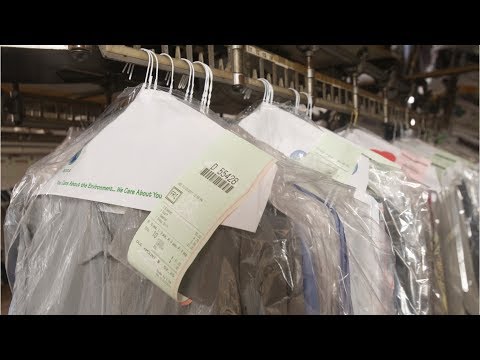
- Hang, fold, package, and tag finished articles for delivery to customers.
- Lower irons, rams, or pressing heads of machines into position over material to be pressed.
- Finish pants, jackets, shirts, skirts and other dry-cleaned and laundered articles, using hand irons.
- Moisten materials to soften and smooth them.
Workplace & working conditions
Most of the day is spent on your feet.
There's a regular, moderate amount of time pressure.
Education necessary or common
High school diploma; some on-the-job training or apprenticeship
Related fields
Courses to take
- Family & Consumer Sciences/Sewing — fabric knowledge is the core competency
- Consumer Math — ticket counts and piece rates
- Chemistry — helpful for understanding fabrics, steam, and cleaning solvents
- Physical Education — full shifts standing at the press
Clubs, activities & competitions
- FCCLA — fashion and textile events
- Costume crew for school theater — real garment handling and pressing
- A part-time job at a dry cleaner or laundry
First steps you can take now
- Learn to iron properly this week — collars, plackets, creases — using online guides
- Ask a local dry cleaner if they hire counter or pressing help; many train on the job
- Learn to identify fabrics by feel and care label: cotton, wool, silk, synthetics
- Volunteer for costume duty in a school production