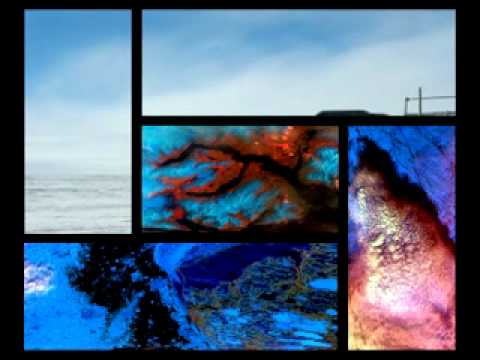
Photo: NASA Armstrong Flight Research Center / NASA/Carla Thomas (Public domain)
Job description
Using computer models and a grounding in physics and climate theory, these scientists interpret data, maps, and satellite imagery to predict short and long-range weather conditions, then translate that into forecasts and briefings for industry, government, or the public. Some specialize in meteorological research into what drives weather and climate phenomena, while others become the public face of the field, broadcasting forecasts and severe weather warnings on television, radio, or online. The work is desk-based and computer-heavy, but the stakes, especially around severe weather, keep it from feeling routine.
Pros
- High upside earning potential, pay can reach nearly $162k
- Only a bachelor's degree required to enter, no advanced degree needed for many roles
- Work can extend into public-facing broadcasting, a distinctive path compared to most bachelor's-level science jobs
Cons
- Slower than average projected job growth (0.7%), among the slowest growth rates in the sciences
- A relatively small number of positions nationwide, so opportunities may be geographically limited
- Predictions and forecasts get judged publicly and immediately when they turn out wrong
A typical day
A forecast-desk morning starts with the model runs: comparing three weather models that disagree about tomorrow's severe-storm setup, reconciling them against real-time satellite loops and balloon soundings, then issuing the aviation forecast that airlines will actually schedule around. Midday brings collaboration — a briefing call with emergency managers as the tornado risk sharpens, worded to inform without either panic or complacency. Research-track scientists spend the same hours differently: running climate simulations on a computing cluster, validating a new satellite instrument's data, drafting a paper. Storm days bend everyone's schedule; the atmosphere doesn't keep office hours, and being right early is the entire value of the science.
Tasks at the job
- Develop or use mathematical or computer models for weather forecasting.
- Interpret data, reports, maps, photographs, or charts to predict long- or short-range weather conditions, using computer models and knowledge of climate theory, physics, and mathematics.
- Conduct meteorological research into the processes or determinants of atmospheric phenomena, weather, or climate.
- Formulate predictions by interpreting environmental data, such as meteorological, atmospheric, oceanic, paleoclimate, climate, or related information.
- Broadcast weather conditions, forecasts, or severe weather warnings to the public via television, radio, or the Internet or provide this information to the news media.
- Prepare forecasts or briefings to meet the needs of industry, business, government, or other groups.
Workplace & working conditions
Work happens indoors in a climate-controlled setting, and most of the day is spent sitting at a desk.
There's a regular, moderate amount of time pressure.
Education necessary or common
Bachelor's degree
Common college majors
Licenses & certifications
- AMS Certified Broadcast/Consulting Meteorologist (career-dependent, optional)
Career path
Related fields
Courses to take
- AP Physics 1 and 2 — the atmosphere is a fluid obeying physics
- AP Calculus BC
- AP Computer Science A — models and data pipelines are code
- AP Chemistry
- AP Statistics
Clubs, activities & competitions
- Science Olympiad (Meteorology and Remote Sensing events)
- Weather club or school weather station project
- Amateur radio club (storm-spotter networks use it)
- Science fair with an atmospheric data project
First steps you can take now
- Take the free NWS Skywarn storm-spotter training (open to the public, often to teens)
- Keep a daily forecast journal: predict tomorrow, then score yourself for a month
- Explore real data on NOAA and NASA public portals and chart something yourself
- Follow a forecast office's discussion products (written by real meteorologists, publicly posted) and learn their reasoning