Photo: Mickey Samuni-Blank (CC BY-SA 3.0)
Job description
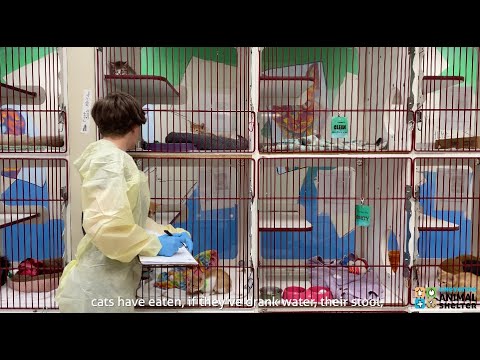
A typical day is built around feeding schedules, exercise routines, and constant observation, watching for any sign that an animal is sick, injured, or off from its normal behavior. Caretakers also mix specialized food or medication as instructed and keep detailed records of each animal's weight, condition, and any treatment it's received. The role can mean working with anything from house pets in a shelter to race horses or zoo animals, and it's almost always on your feet in a busy, noisy, team-based environment. When something more serious comes up, caretakers loop in a veterinarian rather than treating it themselves.
Pros
- Much faster than average projected job growth (12.1% over the next decade)
- Large nationwide job base (74,600 positions)
- Direct, hands-on animal care work for anyone drawn to working with animals
Cons
- Entry-level pay can be quite low
- Limited upside on pay, with the top of the range near $50k
- Regular exposure to sick or injured animals and to contaminants
A typical day
The shelter smells like breakfast and disinfectant by 7:30 — feeding rounds first, then kennel cleaning done thoroughly because disease moves fast through crowded housing. Mid-morning is enrichment and exercise: walking dogs on the outdoor circuit, socializing a shy cat that arrived terrified last week and today, finally, headbutts a hand. There are medications to give with a treat-hidden pill, intake exams to assist, and an adoption meet-and-greet where matching the right dog to the right family feels like the whole point. Notes go in each animal's record. The heart gets attached; the good caretakers let it, carefully.
Tasks at the job
- Examine and observe animals to detect signs of illness, disease, or injury.
- Mix food, liquid formulas, medications, or food supplements according to instructions, prescriptions, and knowledge of animal species.
- Collect and record animal information, such as weight, size, physical condition, treatments received, medications given, and food intake.
- Feed and water animals according to schedules and feeding instructions.
- Provide treatment to sick or injured animals, or contact veterinarians to secure treatment.
- Exercise animals to maintain their physical and mental health.
Workplace & working conditions
Work happens indoors in a climate-controlled setting, and most of the day is spent on your feet. Noise levels can be distracting or uncomfortable. The role involves regular exposure to contaminants.
There's a regular, moderate amount of time pressure. You'll regularly deal with frustrated or upset people as part of the job, and almost all of the work is done as part of a team.
Education necessary or common
High school diploma; some on-the-job training or apprenticeship
Licenses & certifications
- Pet first aid/CPR certification
- Fear Free Shelter certification (free online course)
- PACCC pet care certifications (optional)
Career path
Related fields
Courses to take
- Biology
- Animal Science / Agriscience if offered
- Health
- Psychology — behavior reading applies across species, including the human owners
Clubs, activities & competitions
- Volunteer at an animal shelter or rescue — most accept teens with a parent or at 16
- 4-H or FFA animal projects
- Pet-sitting or dog-walking work
- Wildlife rehabilitation center volunteering where available
First steps you can take now
- Sign up for shelter volunteer orientation this month
- Start a small pet-care service in your neighborhood with references
- Learn low-stress animal handling basics from Fear Free's shelter resources online
- Shadow a vet tech or kennel manager for a day