Photo: Jeffrey Beall (CC BY 4.0)
Job description
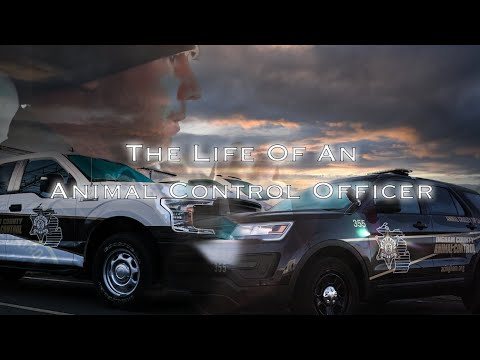
Calls typically start with a report, a stray dog, a cruelty complaint, an abandoned animal, and lead to safely capturing the animal, sometimes using nets, nooses, or tranquilizer darts, then documenting the scene and getting it food, water, and basic care at a holding facility. Officers also build case files that can result in prosecution, which means the job occasionally includes testifying in court. It blends hands-on outdoor animal handling with more procedural investigative work, and it's usually done in coordination with local shelters and law enforcement rather than solo. Regular exposure to unpredictable animals and occasionally upset pet owners is part of the routine.
Pros
- Faster than average projected job growth (3.9% over the next decade)
- Entry only requires a high school diploma plus on-the-job training, no college degree needed
- Hands-on, outdoor work protecting animals rather than a desk job
Cons
- Only about 1,300 positions nationwide, so openings are geographically limited
- Primarily outdoor work means exposure to weather and physically or emotionally difficult scenes of abuse
- Regularly dealing with upset pet owners and, at times, testifying in court over contested cases
A typical day
The morning queue holds a loose-dog call near a school, a welfare check on a backyard full of underfed animals, and a raccoon in a restaurant dumpster. Each call is different fieldwork: catching the friendly stray takes a leash and patience, while the welfare check requires documenting conditions with photographs, explaining the law to a defensive owner, and deciding between education and citation. Back at the truck, every animal is logged and transported humanely. Afternoon might bring court testimony on a bite case. The job is half animal handling, half people handling, and the second half is harder.
Tasks at the job
- Investigate reports of animal attacks or animal cruelty, interviewing witnesses, collecting evidence, and writing reports.
- Capture and remove stray, uncontrolled, or abused animals from undesirable conditions, using nets, nooses, or tranquilizer darts as necessary.
- Supply animals with food, water, and personal care.
- Write reports of activities, and maintain files of impoundments and dispositions of animals.
- Prepare for prosecutions related to animal treatment, and give evidence in court.
- Contact animal owners to inform them that their pets are at animal holding facilities.
Workplace & working conditions
Work happens primarily outdoors, exposed to whatever the weather is doing. Noise levels can be distracting or uncomfortable. The role involves regular exposure to contaminants, and standard protective equipment (gloves, safety glasses, and similar) is expected.
There's a regular, moderate amount of time pressure, and you're expected to exercise significant independent judgment day to day. The work is highly structured, following set procedures. You'll regularly deal with frustrated or upset people as part of the job, and almost all of the work is done as part of a team.
Education necessary or common
High school diploma; some on-the-job training or apprenticeship
Licenses & certifications
- NACA (National Animal Care & Control Association) certification
- State animal control officer certification (where required)
- Euthanasia technician certification (some roles)
- Chemical immobilization training
Career path
Related fields
Courses to take
- Biology
- AP Psychology — de-escalating people is the core field skill
- Criminal Justice or Law courses if offered
- Public Speaking — court testimony and public education
- Health/First Aid
Clubs, activities & competitions
- Volunteer at an animal shelter — many officers start here
- Explorer post with a police or sheriff department
- 4-H animal handling projects
- Debate — calm argument under pressure
First steps you can take now
- Volunteer at your county shelter and ask to learn intake procedures
- Ride along with animal control if your jurisdiction allows it
- Take a pet first aid course and learn safe capture basics from humane-society training materials
- Interview an animal control officer about the emotional realities of the job