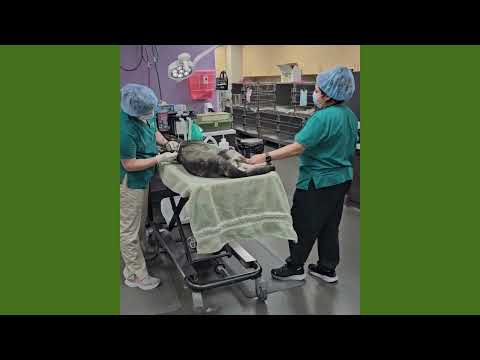
Photo: Nenad Stojkovic (CC BY 2.0)
Job description
Assistants handle a lot of the hands-on daily care: restraining animals during procedures, monitoring patients recovering from surgery and flagging anything unusual to the veterinarian, and keeping kennels and exam rooms clean to prevent the spread of disease. The role also includes some clinical support, like filling medication prescriptions and performing routine tests such as taking x-rays, all under the supervision of a veterinarian or veterinary technician. It's a physically active job, spent mostly on your feet in close contact with both animals and the people who bring them in, and precision matters since a missed symptom or mishandled procedure can have real consequences for the animal's care.
Pros
- Much faster than average projected job growth (8.7% over the next decade)
- Only a high school diploma and on-the-job training needed to start
- Hands-on animal care with a large field (22,200 positions) offering steady openings
Cons
- Limited upside on pay, capping out around $49,150 even with experience
- Regular exposure to contaminants and the need for specialized protective equipment
- Physically demanding, most of the day on your feet restraining and cleaning up after animals
A typical day
The 7am feeding round is a health check in disguise -- every animal observed eating, moving, and behaving, with anything off noted for the vet before it becomes an emergency. The morning holds restraint duty: holding a squirming terrier for blood draw with the calm, secure grip that keeps everyone safe. Midday is sanitation, done to protocol because disease control is the quiet core of animal care. The afternoon adds lab-animal duties for those in research settings -- cage changes, enrichment, and meticulous records -- and ends with walking the post-surgical patients and updating their charts.
Tasks at the job
- Hold or restrain animals during veterinary procedures.
- Monitor animals recovering from surgery and notify veterinarians of any unusual changes or symptoms.
- Fill medication prescriptions.
- Clean and maintain kennels, animal holding areas, examination or operating rooms, or animal loading or unloading facilities to control the spread of disease.
- Examine animals to detect behavioral changes or clinical symptoms that could indicate illness or injury.
- Perform routine laboratory tests or diagnostic tests, such as taking or developing x-rays.
Workplace & working conditions
Work happens indoors in a climate-controlled setting, and most of the day is spent on your feet, and you work in close physical proximity to coworkers or the public for much of the shift. Noise levels can be distracting or uncomfortable. The role involves regular exposure to contaminants, and specialized protective equipment is standard.
There's a regular, moderate amount of time pressure. Precision and accuracy are essential to the work. You'll regularly deal with frustrated or upset people as part of the job.
Education necessary or common
High school diploma; some on-the-job training or apprenticeship
Licenses & certifications
- AVA (Approved Veterinary Assistant, NAVTA)
- ALAT (Assistant Laboratory Animal Technician, AALAS)
Career path
Related fields
Courses to take
- Biology -- animal health fundamentals
- Anatomy basics through health or AP Biology
- Chemistry -- sanitation and lab safety
- English -- careful record-keeping
- Animal science electives where offered
Clubs, activities & competitions
- Animal shelter volunteering -- direct experience, available now
- 4-H animal husbandry projects
- Pet-sitting or dog-walking work
- HOSA or science club
First steps you can take now
- Volunteer at a shelter or rescue this month
- Ask veterinary clinics about kennel assistant jobs -- many hire at 16-18
- Learn safe animal handling and restraint basics from your shelter's training
- Look up the ALAT credential for the laboratory-animal path