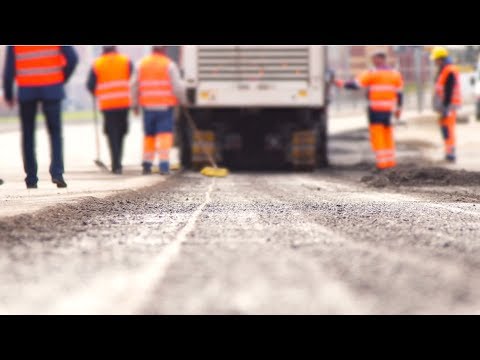
Photo: Sgroey (CC BY-SA 4.0)
Job description
Crews drive trucks and heavy equipment to job sites, then handle tasks ranging from erecting guardrails and highway markers to clearing culverts, ditches, and drains so water doesn't pool on the roadway. In bad weather, the same crews plow snow and spread salt and sand, and mow or clear brush along the right-of-way during other seasons. Because the work happens right next to moving traffic, setting out cones and warning signs to redirect drivers is a routine part of the job, and mistakes can carry serious safety consequences.
Pros
- Low educational barrier to entry: high school diploma plus on-the-job training
- Faster than average projected job growth (3% over the next decade)
- Varied, hands-on outdoor work operating heavy equipment rather than a desk routine
Cons
- Entry-level and top pay both remain modest, topping out under $72k
- Regular exposure to traffic, heavy equipment, and outdoor weather conditions
- Mistakes can have serious safety consequences for both workers and the traveling public
A typical day
The crew meets at the county garage at 6:30am, checks the day's work orders, and loads the patch truck with hot asphalt. The morning is pothole duty on a state route: coning off a moving work zone, squaring up broken pavement, filling and compacting patch after patch while one crew member flags traffic — the most dangerous job on the crew, taken seriously. After lunch the tasks rotate: replacing a mangled guardrail section, mowing a sightline at an intersection, clearing a culvert before the next storm backs water over the road. In winter this same crew becomes the snowplow operation, running routes at 3am. The day closes fueling trucks and reporting which roads need bigger repairs than a patch.
Tasks at the job
- Drive trucks to transport crews and equipment to work sites.
- Erect, install, or repair guardrails, road shoulders, berms, highway markers, warning signals, and highway lighting, using hand tools and power tools.
- Clean and clear debris from culverts, catch basins, drop inlets, ditches, and other drain structures.
- Drive heavy equipment and vehicles with adjustable attachments to sweep debris from paved surfaces, mow grass and weeds, remove snow and ice, and spread salt and sand.
- Haul and spread sand, gravel, and clay to fill washouts and repair road shoulders.
- Set out signs and cones around work areas to divert traffic.
Workplace & working conditions
Work happens primarily outdoors, exposed to whatever the weather is doing, and most of the day is spent on your feet. Noise levels can be distracting or uncomfortable. The role involves regular exposure to hazardous equipment or conditions and contaminants, and standard protective equipment (gloves, safety glasses, and similar) is expected.
There's a regular, moderate amount of time pressure. Mistakes can have serious consequences, so accuracy matters a lot. You'll regularly deal with frustrated or upset people as part of the job, and almost all of the work is done as part of a team.
Education necessary or common
High school diploma; some on-the-job training or apprenticeship
Licenses & certifications
- CDL Class A or B — required by most highway departments
- Work zone traffic control/flagger certification
- OSHA 10-Hour Construction
Career path
Related fields
Courses to take
- Auto Shop or Diesel Mechanics — crews maintain their own equipment
- Shop/Building Trades — concrete, welding, and repair basics
- Earth Science — drainage, freeze-thaw, and weather drive the work
- Algebra — material quantities and grade calculations
- Driver's Education taken seriously — a clean license is a job requirement
Clubs, activities & competitions
- SkillsUSA — heavy equipment and diesel events
- Part-time landscaping, farm, or snow-removal work
- FFA — equipment operation experience
- Volunteer for community cleanup and roadside beautification days
First steps you can take now
- Look up your state DOT and county highway department job postings to see actual requirements — many need only a diploma and a license
- Get a learner's permit path toward a CDL — most highway crews require one within the first year
- Ask a public works employee about seasonal summer openings for students
- Practice safe equipment habits with any machine you can access: mowers, tractors, trailers