Photo: Snow storm in Eastern Asia at English Wikipedia (Public domain)
Job description
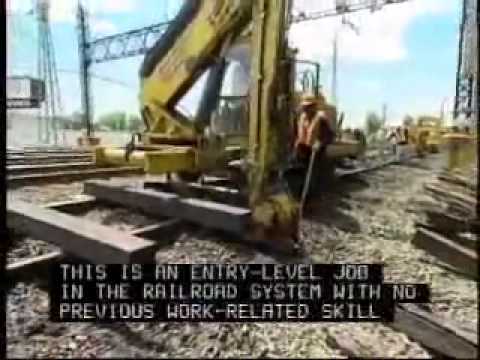
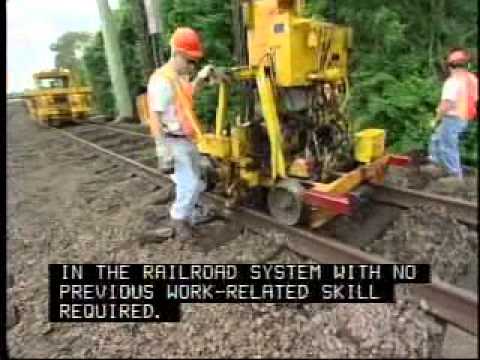
Operators patrol assigned sections of track on foot to spot damage before it causes a problem, then use tools like leveling indicators to verify a section is properly aligned. Repair work includes driving spikes with single- or multiple-head spike machines, cutting rails to length with rail saws, and drilling holes for bolts or spikes with power drills. The job is done almost entirely outdoors in whatever weather shows up, working close to teammates and often near hazardous equipment, so protective gear like gloves and safety glasses is standard. It covers track used in regular railroad service as well as plant yards, quarries, and mines.
Pros
- High upside earning potential, up to $87,420 without needing a four-year degree
- Only a high school diploma and on-the-job training required to enter
- Hands-on outdoor trade work operating specialized heavy machinery
Cons
- Slower than average projected job growth
- A relatively small number of positions nationwide, so opportunities may be geographically limited
- Regular exposure to hazardous equipment and outdoor weather conditions year-round
A typical day
The gang assembles at sunrise where the track time window opens — the dispatcher has given them four hours of track possession, and every minute counts. The operator runs a tamper today, the machine that lifts track and packs ballast beneath ties to restore smooth geometry; lasers guide the alignment while the operator watches gauges and the track ahead. Up the line, other machines pull spikes, replace ties, and drop new ballast in a rolling production line. Lunch happens trackside. When a machine jams mid-window, the operator troubleshoots fast because the railroad wants its track back at 2pm sharp. Travel is part of the life — production gangs follow the work across whole regions.
Tasks at the job
- Patrol assigned track sections so that damaged or broken track can be located and reported.
- Observe leveling indicator arms to verify levelness and alignment of tracks.
- Repair or adjust track switches, using wrenches and replacement parts.
- Operate single- or multiple-head spike driving machines to drive spikes into ties and secure rails.
- Cut rails to specified lengths, using rail saws.
- Drill holes through rails, tie plates, or fishplates for insertion of bolts or spikes, using power drills.
Workplace & working conditions
Work happens primarily outdoors, exposed to whatever the weather is doing, and you work in close physical proximity to coworkers or the public for much of the shift. Noise levels can be distracting or uncomfortable. The role involves regular exposure to hazardous equipment or conditions and contaminants, and standard protective equipment (gloves, safety glasses, and similar) is expected.
There's a regular, moderate amount of time pressure, and you're expected to exercise significant independent judgment day to day.
Education necessary or common
High school diploma; some on-the-job training or apprenticeship
Licenses & certifications
- OSHA 10
- CDL (valuable for equipment transport roles)
- Roadway worker protection qualification (employer-provided)
Career path
Related fields
Courses to take
- Shop/Mechanical Technology — heavy equipment fundamentals
- Physics — track geometry and machine forces
- Algebra/Geometry — grades, curves, and measurements
- Physical Education — outdoor labor in every season
Clubs, activities & competitions
- SkillsUSA — heavy equipment and diesel pathways
- FFA — many members grow up around machinery
- Auto shop club
- A landscaping or construction summer job
First steps you can take now
- Get comfortable operating any machinery you legally can: mowers, skid steers with training
- Get OSHA 10 online
- Look up railroad maintenance-of-way hiring (railroads and contractors like Herzog hire at 18)
- Watch track-renewal train videos to see the production-gang world