Photo: Arthistory333 (CC BY-SA 4.0)
Job description
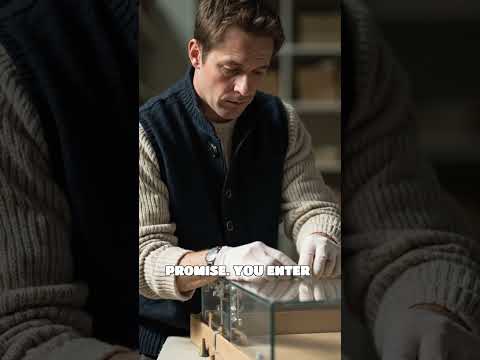
The work spans everything from cleaning objects with cleansers and solvents to repairing and reassembling artifacts, sometimes fabricating missing or broken parts to restore something to its original appearance. Conservators also install and arrange pieces for exhibition, photograph objects for documentation, and judge whether an object needs repair and what method is safest. Because collections range so widely, some conservators specialize in a particular material or object type, like textiles, books and documents, or natural history specimens such as skeletal parts and botanicals.
Pros
- Faster than average projected job growth at 5.4% over the next decade
- Hands-on preservation work with tangible historical or artistic significance
- Standard, predictable full-time hours in a climate-controlled indoor setting
Cons
- A relatively small number of positions nationwide, so opportunities may be geographically limited
- Pay tops out around $88k even though a bachelor's degree is required to enter the field
- Precision and accuracy are essential, since damage to an artifact can be irreversible
A typical day
The lab is quiet at 9am, which suits work measured in millimeters: today's object is a 19th-century daguerreotype with corrosion creeping across the plate, and the first hour goes to examination under magnification and photographs documenting its condition before anything is touched. Treatment is slow, reversible where possible, and logged step by step — conservation's first rule is that future conservators must be able to undo your work. Midday brings a different hat: building a custom padded mount so a fragile textile can travel to a borrowing museum. The afternoon includes a gallery walkthrough checking light levels and humidity around sensitive pieces, and an hour crating incoming loans with archival materials. Every object handled today outlived its makers; the job is making sure it outlives you.
Tasks at the job
- Install, arrange, assemble, and prepare artifacts for exhibition, ensuring the artifacts' safety, reporting their status and condition, and identifying and correcting any problems with the set up.
- Repair, restore, and reassemble artifacts, designing and fabricating missing or broken parts, to restore them to their original appearance and prevent deterioration.
- Clean objects, such as paper, textiles, wood, metal, glass, rock, pottery, and furniture, using cleansers, solvents, soap solutions, and polishes.
- Photograph objects for documentation.
- Determine whether objects need repair and choose the safest and most effective method of repair.
- Prepare artifacts for storage and shipping.
Workplace & working conditions
Work happens indoors in a climate-controlled setting.
There's a regular, moderate amount of time pressure, and you're expected to exercise significant independent judgment day to day. Precision and accuracy are essential to the work, and the work is highly structured, following set procedures.
Education necessary or common
Bachelor's degree
Common college majors
Career path
Related fields
Courses to take
- AP Chemistry — conservation is chemistry applied to irreplaceable things
- AP Art History — knowing what objects are and why they matter
- Studio Art — hand skills and material sensitivity
- AP US History or World History — historical context for collections
- Physics — light, humidity, and material degradation
Clubs, activities & competitions
- Volunteer or intern at a local museum or historical society — collections help is often welcomed
- Art club with a focus on materials and technique
- Science Olympiad — chemistry lab events
- Archive or oral-history projects documenting your own community
First steps you can take now
- Ask your nearest museum about behind-the-scenes volunteering — collections and prep departments take students more often than people assume
- Practice careful documentation: photograph, measure, and condition-report ten old family objects
- Read the American Institute for Conservation's (AIC) student pages to see the graduate-school path
- Take both chemistry and studio art next year — conservation programs require the unusual combination