Photo: PEO ACWA (CC BY 2.0)
Job description
Writers interview engineers and production staff and read through technical journals to get familiar with a product before organizing the material for clarity, consistency, and correct terminology. They choose photographs, diagrams, and charts to illustrate instructions, and often edit or standardize writing produced by other staff, sometimes helping lay the finished piece out for publication. Most of the day is spent at a desk as part of a team, working under real deadlines where getting small details right matters.
Pros
- Solid pay ceiling, up to $145k, for a role requiring only a bachelor's degree
- Cross-functional work interviewing engineers and production staff to translate technical detail into clear documentation
- Desk-based, steady indoor work without physically demanding conditions
Cons
- Above-average hours, expect more than a standard 40-hour work week
- Slower than average projected job growth compared to other writing-adjacent fields
- Constant deadline pressure requires precision even when documenting fast-changing products
A typical day
The morning starts with a walkthrough of a new software release alongside an engineer, asking the questions users will ask because the writer is their advocate in the room. The main work block is documentation surgery: turning a feature spec into a task-based guide, testing every step personally, and discovering two that don't work as described -- bugs filed, engineers thanked. The afternoon brings a style-guide debate over terminology consistency and a screenshot refresh after a UI change broke forty images. The day closes publishing to the docs site and checking analytics on which help pages users abandon.
Tasks at the job
- Organize material and complete writing assignment according to set standards regarding order, clarity, conciseness, style, and terminology.
- Maintain records and files of work and revisions.
- Edit, standardize, or make changes to material prepared by other writers or establishment personnel.
- Select photographs, drawings, sketches, diagrams, and charts to illustrate material.
- Interview production and engineering personnel and read journals and other material to become familiar with product technologies and production methods.
- Assist in laying out material for publication.
Workplace & working conditions
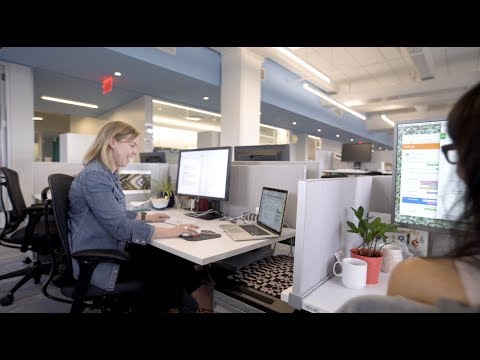
Work happens indoors in a climate-controlled setting, and most of the day is spent sitting at a desk.
The pace is often fast, with real time pressure to meet deadlines, and you're expected to exercise significant independent judgment day to day. Precision and accuracy are essential to the work. Almost all of the work is done as part of a team.
Education necessary or common
Bachelor's degree
Common college majors
Licenses & certifications
- CPTC (Certified Professional Technical Communicator, optional)
Career path
Related fields
Courses to take
- AP English Language -- precision writing is the profession
- AP Computer Science Principles -- you document what you understand
- Journalism electives -- interviewing experts is half the research
- A science or technical elective -- practice explaining complex systems
- Graphic design -- diagrams and layout support the words
Clubs, activities & competitions
- School newspaper -- editing and deadline writing
- Write documentation for a robotics or coding club's projects
- Wiki editing -- structured collaborative writing
- Tutoring -- explaining things is the same muscle
First steps you can take now
- Write a step-by-step guide for something you know and have a novice test it
- Rewrite a confusing instruction manual page and compare versions
- Learn Markdown and publish a small docs site free on GitHub
- Read a great docs site (like Stripe's) and note what makes it usable