Photo: Toglenn (CC BY-SA 3.0)
Job description
The work centers on wearing and presenting garments, whether walking a runway at a fashion show, standing for a private buyer showing, or posing in front of a camera for a magazine or ad campaign. Some models also pose as subjects for painters, sculptors, or other visual artists rather than modeling apparel at all. Pay and demand vary enormously depending on the market and a model's visibility, and most of the work happens indoors in controlled studio or showroom settings.
Pros
- Standard, predictable hours (30 to 40 a week), unusual for a creative field
- Low educational barrier to entry, a high school diploma with some on-the-job training
- Flexible, project-based work posing for a range of clients from fashion to fine art
Cons
- Employment projected to shrink over the next decade (-0.5%)
- Small number of positions nationwide, so opportunities may be geographically limited
- Work is centered almost entirely on physical appearance, which can mean a short career window
A typical day
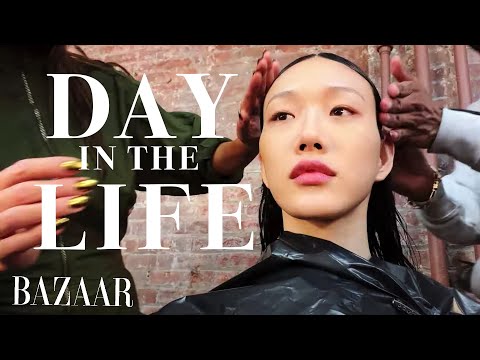
A casting call posted for 9am means arriving at 8:40 with a portfolio, comp cards, and the exact look the brief requested — then waiting in a hallway of forty people for a sixty-second walk and a Polaroid. Booked days run differently: a 7am call time, hours in hair and makeup, then shooting the same garment from a dozen angles while holding poses that look effortless and aren't. Between jobs the work continues — gym session, skin care, updating digitals, and answering the agency about next week's options. Fashion week compresses everything: fittings at midnight, three shows a day, quick changes measured in seconds. Rejection outnumbers booking; professionals learn not to take arithmetic personally.
Tasks at the job
- Pose for artists and photographers.
Workplace & working conditions
Work happens indoors in a climate-controlled setting.
Education necessary or common
High school diploma; some on-the-job training or apprenticeship
Related fields
Courses to take
- Health and Nutrition — the job asks a lot of the body; learn to care for it sustainably
- Business or Personal Finance — models are independent contractors managing irregular income
- Drama or Public Speaking — camera presence and direction-taking are performance skills
- Photography — understanding light and angles from the other side of the lens
- World Language — international markets book working models
Clubs, activities & competitions
- School fashion shows and local charity runway events
- Drama club — comfort being watched and directed
- Photography club — trade practice: model for photographers building portfolios
- Dance or athletics — body awareness and posture
First steps you can take now
- Research legitimate agencies in the nearest major market and their open-call policies — real agencies never charge upfront fees; treat any that do as a scam
- Have a friend shoot simple digitals (plain clothes, natural light, no heavy editing) — that's what agencies actually want to see
- Practice runway walking and posing on camera, then review the footage critically
- Talk with a working model about income variability and always keep school as the parallel plan