Photo: MassDOT (Public domain)
Job description
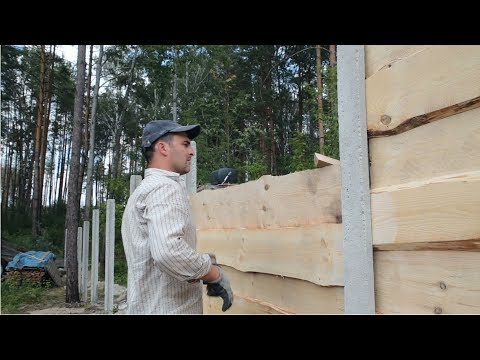
Fence lines get measured and laid out first, then posts are set and leveled in concrete before wire mesh, chain link, or panels are stretched and attached between them. Erectors also assemble and hang gates and often deal directly with customers, estimating materials and quoting a price before work begins. Because posthole alignment sets the tone for the whole job, getting that first step precise matters as much as the physical labor of digging and hauling materials that follows.
Pros
- Low barrier to entry: just a high school diploma and on-the-job training or apprenticeship
- Faster than average projected job growth (4.6% over the next decade)
- Physical, outdoor, hands-on work with a visible finished product at the end of each job
Cons
- Entry-level and top pay both trail many other construction trades, capping near $70k
- Exposure to heights and hazardous equipment while working outdoors in all weather
- A relatively small number of positions nationwide limits geographic flexibility
A typical day
The truck is loaded by 7 — posts, rails, concrete, and the auger — and the crew is at the job site staking the fence line off the survey pins before it gets hot. The morning is holes and posts: augering to depth, setting each post plumb in concrete, string-lining the tops for a clean grade. After lunch the crew hangs panels and stretches wire, checking level and spacing so the finished run looks laser-straight from the street. The last hour is gates — the fussy part, where hinges and latches have to swing true — then site cleanup and photos for the customer file.
Tasks at the job
- Measure and lay out fence lines and mark posthole positions, following instructions, drawings, or specifications.
- Align posts, by lines or sighting, and verify vertical alignment of posts, using plumb bobs or spirit levels.
- Assemble gates, and fasten gates into position, using hand tools.
- Mix and pour concrete around bases of posts, or tamp soil into postholes to embed posts.
- Discuss fencing needs with customers, and estimate and quote prices.
- Stretch wire, wire mesh, or chain link fencing between posts, and attach fencing to frames.
Workplace & working conditions
Work happens primarily outdoors, exposed to whatever the weather is doing, and most of the day is spent on your feet, and you work in close physical proximity to coworkers or the public for much of the shift. Noise levels can be distracting or uncomfortable. The role involves regular exposure to hazardous equipment or conditions and contaminants and working at heights, and standard protective equipment (gloves, safety glasses, and similar) is expected.
The pace is often fast, with real time pressure to meet deadlines, and you're expected to exercise significant independent judgment day to day. Mistakes can have serious consequences, so accuracy matters a lot, and the work is highly structured, following set procedures. You'll regularly deal with frustrated or upset people as part of the job.
Education necessary or common
High school diploma; some on-the-job training or apprenticeship
Licenses & certifications
- OSHA 10
- Certified Fence Installer (American Fence Association)
- Equipment certifications (skid steer/auger, employer-provided)
Career path
Related fields
Courses to take
- Geometry — layout, square corners, and grades are geometry with a shovel
- Construction or Carpentry shop — tool skills and material sense
- Algebra — material takeoffs and estimates
- Welding — ornamental iron and gate work pay better
- Business Math — many fence installers become fence company owners
Clubs, activities & competitions
- SkillsUSA carpentry or welding competitions
- Habitat for Humanity builds
- A summer landscaping or construction laborer job
- FFA — fencing is a constant of farm life
First steps you can take now
- Build something square and plumb: a gate, a raised bed, a simple frame
- Get a summer job with a fence or landscaping company at 16-18
- Learn to run a string line and a post level properly
- Price out a 100-foot fence at a supply store to learn material math