Photo: MTA Capital Construction Mega Projects (CC BY 2.0)
Job description
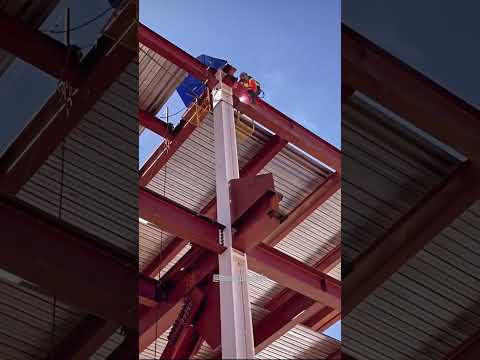
Ironworkers hoist steel beams and columns into position using cables, then bolt or weld them into the surrounding frame, using turnbuckles, jacks, or crowbars to force each piece into exact final position before it's locked down. The work covers everything from office towers and bridges to storage tanks and prefabricated metal buildings, almost always done outdoors, at height, and as part of a coordinated crew. It's physically demanding, fast-paced work with real deadline pressure, and the noise and exposure to heavy equipment mean protective gear is standard.
Pros
- Strong pay ceiling above $108k with just a high school diploma and apprenticeship required
- Faster than average projected growth (4.4%) in a specialized structural trade
- High-stakes, high-skill teamwork erecting the structural frameworks of major buildings and bridges
Cons
- Among the more physically dangerous trades, working with heavy steel at height
- Deadline-driven pace combined with regular contact with frustrated coworkers or contractors
- Constant outdoor exposure to weather and hazardous rigging and welding equipment
A typical day
The day starts in the gang box at 6:30 with a safety briefing, harness inspection, and the day's lift plan, because today the crew sets beams on the fifth floor. The morning is connecting work: riding the man-lift up, guiding a crane-hung beam into its seat, and bolting it while tied off a hundred feet over the deck. Signals between the connector and crane operator are exact -- a wrong hand motion moves twenty tons the wrong way. The afternoon goes to plumbing-up the frame with turnbuckles and detail bolting behind the connectors, and the body knows it earned the paycheck by quitting time.
Tasks at the job
- Connect columns, beams, and girders with bolts, following blueprints and instructions from supervisors.
- Bolt aligned structural steel members in position for permanent riveting, bolting, or welding into place.
- Fasten structural steel members to hoist cables, using chains, cables, or rope.
- Cut, bend, or weld steel pieces, using metal shears, torches, or welding equipment.
- Erect metal or precast concrete components for structures, such as buildings, bridges, dams, towers, storage tanks, fences, or highway guard rails.
- Force structural steel members into final positions, using turnbuckles, crowbars, jacks, or hand tools.
Workplace & working conditions
Work happens primarily outdoors, exposed to whatever the weather is doing, and most of the day is spent on your feet, and you work in close physical proximity to coworkers or the public for much of the shift. Noise levels can be distracting or uncomfortable. The role involves regular exposure to hazardous equipment or conditions and contaminants and working at heights, and specialized protective equipment is standard.
The pace is often fast, with real time pressure to meet deadlines. You'll regularly deal with frustrated or upset people as part of the job, and almost all of the work is done as part of a team.
Education necessary or common
High school diploma; some on-the-job training or apprenticeship
Licenses & certifications
- OSHA 10/30
- Registered ironworker apprenticeship
- AWS welding certifications
Career path
Related fields
Courses to take
- Geometry -- reading structural drawings and laying out steel
- Physics -- loads, rigging angles, and why the crane math matters
- Welding or metal shop -- a core skill of the trade
- Physical education -- strength and balance are job requirements
- Algebra -- elevations, offsets, and bolt patterns
Clubs, activities & competitions
- SkillsUSA welding competitions -- a direct trade pipeline
- A construction or labor summer job
- Rock climbing or gymnastics -- comfort and discipline at height
- Habitat for Humanity builds
First steps you can take now
- Take the free OSHA 10 construction course
- Try a welding class at a community college or makerspace
- Look up ironworker apprenticeships (union and open-shop) in your region -- they're paid
- Talk to an ironworker about what the first year on the raising gang is like