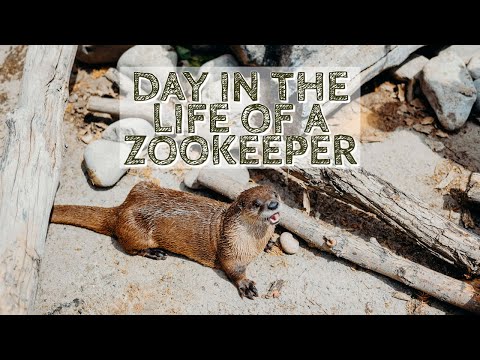
Photo: Antonispapani (CC BY-SA 4.0)
Job description
The job includes feeding animals according to species-specific diets and watching for changes in eating habits, cleaning and maintaining enclosures and water systems, and observing animals daily for signs of illness, injury, or behavioral change. Keepers also assist veterinary staff with exams and treatments, design enrichment activities to keep animals mentally engaged, and answer visitor questions or lead educational talks. It's physically demanding work in all weather, involving direct contact with animals that can bite or kick, along with routine exposure to animal waste and strong odors.
Pros
- Hands-on daily work caring for and building a bond with animals
- Structured routine balanced with variety, from enrichment design to public education
- Direct role in animal health and welfare, working alongside veterinary staff
Cons
- Entry-level pay is quite low, with the field topping out around $55k
- Physically demanding, requiring stamina for lifting, hosing enclosures, and standing all shift
- Direct contact with animals that can bite, kick, or otherwise cause injury
A typical day
The day starts before the gates open, because animals eat on schedule: diets prepped in the commissary to the gram, then delivered on rounds that double as health checks -- appetite, droppings, and behavior all noted. Mid-morning is enrichment work, hiding food in puzzle feeders and rearranging habitat features, because a bored animal is an unhealthy one. The afternoon holds a training session where a red panda voluntarily stations for a vet exam, months of positive-reinforcement work paying off in a stress-free blood draw. The day ends with habitat cleaning, record entries in the studbook software, and a keeper chat delivered to visitors, since education is part of the mission.
Tasks at the job
- Feed animals according to species-specific diets and monitor their eating habits.
- Clean and maintain animal enclosures, including habitats and water systems.
- Observe animals daily for signs of illness, injury, or behavioral change.
- Assist veterinary staff with medical exams, treatments, or enrichment programs.
- Answer visitor questions and lead educational talks about the animals in their care.
Workplace & working conditions
Work happens outdoors and indoors across animal enclosures in all weather, involving direct contact with animals that can bite, kick, or otherwise pose physical risk, along with regular exposure to animal waste and strong odors.
The work follows a structured daily routine of feeding and cleaning schedules, but an animal emergency can demand an immediate shift in priorities. Physical stamina is required for lifting feed, hosing enclosures, and being on your feet most of the shift.
Education necessary or common
Bachelor's degree in biology, zoology, or animal science is increasingly expected, plus hands-on animal-care experience
Common college majors
Licenses & certifications
- CPR/First Aid
- AZA professional development courses (career-stage)
Career path
Related fields
Courses to take
- AP Biology -- animal physiology and behavior
- Chemistry -- diets, medications, and water quality
- AP Environmental Science -- conservation is the field's purpose
- AP Psychology -- operant conditioning is daily practice
- English -- record-keeping and public education
Clubs, activities & competitions
- Volunteer at a zoo, aquarium, or wildlife rehab center -- most have teen programs
- Animal shelter volunteering
- 4-H or FFA animal husbandry
- Science Olympiad ecology events
First steps you can take now
- Apply for your nearest zoo's teen volunteer program -- competitive, so apply early
- Volunteer with any animal-care organization now
- Read about animal training and try positive-reinforcement work with a pet
- Talk to a keeper at a zoo -- most love explaining their path