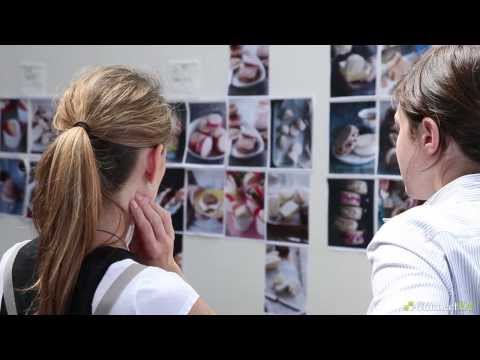
Photo: Seth Anderson from Chicago, us (CC BY-SA 2.0)
Job description
Making a dish photogenic under hot studio lights takes both culinary and technical tricks: sometimes glue or non-food substitutes stand in for ingredients that wilt or melt too fast. Stylists work closely with photographers and art directors to plan shots, prepare backup portions of a dish since food degrades quickly under lighting, and make small fixes just out of frame between takes. Shoots run on tight schedules set by rented studio time, so the work is fast-paced and detail-obsessed, and most stylists break in by assisting someone established rather than through a formal degree program.
Pros
- Blends culinary skill with a creative, visual craft not found in typical kitchen work
- No formal degree required; entry is through assisting an established stylist on real shoots
- Work varies shoot to shoot rather than settling into a repetitive routine
Cons
- Hot studio lights make food degrade fast, forcing constant small fixes under time pressure
- Shoots run on tight schedules dictated by rented studio time, leaving no room for delays
- Above-average hours are common, with a fast pace and little tolerance for a dish looking wrong
A typical day
Call time is 7 a.m. at the studio, and the stylist's kit — tweezers, brushes, glycerin spray, torch — unpacks next to five grocery bags of burger buns bought to find eight perfect ones. The morning is the hero build: the burger stacked and pinned from the back, cheese melted with a steamer to exactly the drip the client's layout shows, every sesame seed placed with tweezers. Under the lights the stylist works beside the photographer through dozens of frames, swapping wilting lettuce and repainting grill marks between shots. The afternoon repeats the craft for the fries and the shake — which is mashed potatoes and corn syrup standing in — until the shot list closes and the kit gets scrubbed for tomorrow.
Tasks at the job
- Arrange and manipulate food using tools, glue, or substitute materials to achieve a specific look for photos or video.
- Collaborate with photographers, art directors, and chefs to plan shots and props before shoots.
- Prepare multiple versions of a dish so a fresh-looking plate is always ready between takes.
- Source specialty ingredients, dishware, and props that match a brand's or recipe's aesthetic.
- Touch up or replace food components between shots as they wilt, melt, or dry out under studio lights.
- Test recipes ahead of a shoot to anticipate how a dish will behave in front of the camera.
Workplace & working conditions
Work takes place on photo or video sets and in test kitchens, often under hot studio lights that cause food to degrade quickly, requiring constant small fixes just out of camera frame.
Shoots run on tight schedules dictated by rented studio time and models' or actors' availability, so the pace is fast and detail-obsessed, with little tolerance for a dish that looks wrong on camera.
Education necessary or common
No formal degree required, though culinary training helps; entry is typically through assisting an established stylist on photo and video shoots
Career path
Related fields
Courses to take
- Culinary Arts — the food knowledge is non-negotiable
- Art and Photography — you are building images, not meals
- Chemistry — why food wilts, browns, and melts, and how to delay it
- Business — freelance styling is self-employment
- Family & Consumer Sciences
Clubs, activities & competitions
- Photograph food seriously: natural light, styling, weekly practice
- Culinary club or FCCLA
- Yearbook or photography club
- A restaurant or bakery job
First steps you can take now
- Style and shoot one dish a week with a phone and window light, keeping a portfolio
- Study packaging photos versus reality at a fast food counter — reverse-engineer the tricks
- Watch working stylists' behind-the-scenes videos and copy one technique
- Offer to shoot a local cafe's menu for free and treat it like a paid job