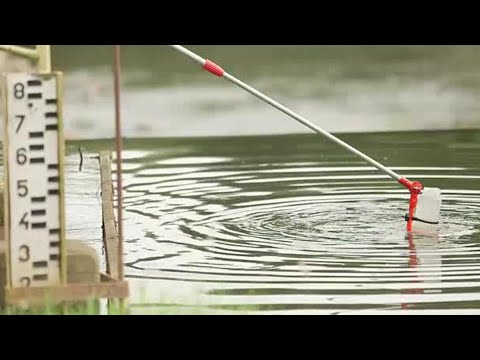
Photo: U.S. Geological Survey (CC BY 2.0)
Job description
Technicians take field measurements like stream flow, gauge height, and groundwater levels using current meters and electronic sensors, and they collect water and sediment samples for lab analysis. Part of the job is equipment upkeep: installing, calibrating, and repairing stream gauges and rain gauges, then charting the data back in the office to flag anything unusual. Work splits between desk time reviewing data and fieldwork that can mean wading into rivers or climbing embankments in all kinds of weather, and the pace turns urgent during floods or contamination events when data needs to reach decision-makers fast. Technicians often assist hydrologists directly during these high-stakes moments.
Pros
- Accessible entry point via vocational training or an associate's degree
- Active outdoor fieldwork at streams and reservoirs, not confined to a desk all day
- Meaningful public-safety role, since the data feeds flood warnings and water management decisions
Cons
- Employment projected to shrink over the next decade (-2.1%)
- Only about 400 jobs nationwide, a small and geographically limited field
- Fieldwork can mean wading into fast-moving water or working isolated sites in any weather
A typical day
The truck is loaded by 7am with wading gear, sensors, and sample bottles — today's route covers four stream gauging stations across two counties. At the first site the technician wades the creek with an acoustic flow meter, measuring velocity at set intervals across the channel to calibrate the automated gauge on the bank. Each stop has its rituals: downloading data loggers, cleaning sensor fouling, collecting water samples with chain-of-custody labels for the lab. One station's readings look wrong, and the tech troubleshoots — a mud-clogged intake line, fixed with patience and a pump. Field notes are meticulous because flood models and water-rights decisions ride on this data. Back at the office, the day ends uploading records and flagging one site's rising nitrate trend for the hydrologist.
Tasks at the job
- Measure stream flow rates, gauge height, and groundwater levels using current meters, staff gauges, and electronic sensors.
- Collect water and sediment samples from rivers, lakes, wells, and treatment plants for laboratory analysis.
- Install, calibrate, and repair monitoring equipment such as stream gauges, water-level recorders, and rain gauges.
- Enter, review, and chart hydrologic data to flag unusual readings or equipment malfunctions.
- Maintain field logs and prepare summary reports on stream conditions, flood potential, or water quality trends.
- Assist hydrologists with fieldwork during floods, droughts, or contamination investigations.
Workplace & working conditions
Work splits between an office or lab entering and checking data and outdoor fieldwork at streams, wells, and reservoirs, sometimes in remote or rugged terrain. Field visits can mean wading into water, climbing embankments, or working near fast-moving currents in all weather.
The pace is steady most of the year but turns urgent during floods or contamination events when data has to be gathered and reported fast. Fieldwork requires care around slippery banks, high water, and isolated sites, and accurate measurements matter since agencies and communities rely on the data for flood warnings and water management decisions.
Education necessary or common
Vocational training, apprenticeship, or associate's degree
Licenses & certifications
- OSHA 40-Hour HAZWOPER (for contaminated site work)
- First Aid/CPR plus swiftwater awareness training
- State water/wastewater operator certifications (an adjacent, stable path)
Career path
Related fields
Courses to take
- Earth Science — watersheds, groundwater, and weather are the subject matter
- Chemistry — water quality sampling and analysis basics
- Algebra II — flow calculations and unit conversions all day
- Biology or Environmental Science — ecosystems downstream of every measurement
- Computer Applications — data logging, spreadsheets, and mapping software
Clubs, activities & competitions
- Science Olympiad — hydrogeology and dynamic planet events exist
- Envirothon — the aquatic ecology station is this job in competition form
- Stream monitoring volunteer programs (many watershed groups train students)
- Fishing, kayaking, or hiking — real comfort working in and around water
First steps you can take now
- Join a volunteer stream-monitoring program through a local watershed council
- Explore real-time USGS streamflow data online and follow your nearest river through a storm
- Take a water test kit to a local creek and log results over a month
- Look up environmental science or water resources technology programs at community colleges