Photo: Alfred T. Palmer (Public domain)
Job description
A boilermaker works from blueprints to lay out, cut, and shape heavy steel plate, then aligns and welds or bolts the pieces into pressure vessels, tanks, or boiler frames. The job involves rigging and signaling crane operators to move heavy sections into place, plus straightening or reshaping bent plate with hammers, jacks, or torches when something doesn't line up. Much of the work happens outdoors on job sites, exposed to weather, noise, and heights, so specialized protective equipment is standard gear. The trade is typically learned through an apprenticeship rather than a four-year degree, and the pace is often fast with real deadline pressure.
Pros
- Pay can top $110k, among the highest ceilings in the trades, with only an apprenticeship required
- Specialized, technical craft combining welding, blueprint reading, and heavy rigging
- Precision-focused work assembling and repairing pressure vessels and industrial boilers
Cons
- Only about 800 positions nationwide, a small field projected to shrink further (-2.4%)
- Physically demanding outdoor work involving heavy metal, hoists, and welding equipment
- Deadline-driven pace combined with regular exposure to hazardous equipment and heights
A typical day
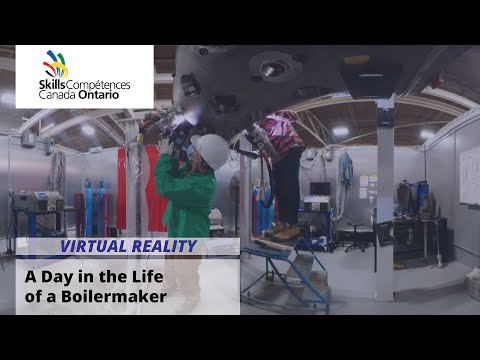
Power-plant outage season means the day starts in a turbine hall at 7 with a safety brief and a confined-space permit: today's job is inside the boiler itself, replacing worn waterwall tubes sixty feet up on scaffolding rigged last week. The work is heavy and exact at once — old tube sections torched out, new ones fitted and welded to code by certified hands, every joint destined for X-ray inspection because this vessel will hold superheated steam at pressures that forgive nothing. Rigging is constant: chain falls and come-alongs moving steel where cranes can't reach. Lunch happens in the gang box shadow. The trade travels — outages, refineries, shipyards — and pays for the hardship; the pride is in work that has to be perfect and is.
Tasks at the job
- Attach rigging and signal crane or hoist operators to lift heavy frame and plate sections or other parts into place.
- Shape or fabricate parts, such as stacks, uptakes, or chutes, to adapt pressure vessels, heat exchangers, or piping to premises, using heavy-metalworking machines such as brakes, rolls, or drill presses.
- Lay out plate, sheet steel, or other heavy metal and locate and mark bending and cutting lines, using protractors, compasses, and drawing instruments or templates.
- Straighten or reshape bent pressure vessel plates or structure parts, using hammers, jacks, or torches.
- Study blueprints to determine locations, relationships, or dimensions of parts.
- Bolt or arc weld pressure vessel structures and parts together, using wrenches or welding equipment.
Workplace & working conditions
Work happens primarily outdoors, exposed to whatever the weather is doing, and most of the day is spent on your feet. Noise levels can be distracting or uncomfortable. The role involves regular exposure to hazardous equipment or conditions and contaminants and working at heights, and specialized protective equipment is standard.
The pace is often fast, with real time pressure to meet deadlines. Precision and accuracy are essential to the work. You'll regularly deal with frustrated or upset people as part of the job.
Education necessary or common
Vocational training, apprenticeship, or associate's degree
Licenses & certifications
- Boilermaker apprenticeship (the credential path)
- AWS/ASME code welding certifications
- OSHA 10/30
- Rigging and confined-space qualifications
Career path
Related fields
Courses to take
- Welding — the trade's core skill; take every course available
- Metal Shop
- Geometry — layout and fitting are applied geometry
- Physics — pressure, rigging loads, and leverage
- Algebra
Clubs, activities & competitions
- SkillsUSA welding competitions
- Robotics or any build-heavy team
- Part-time work in construction or fabrication
- Weightlifting/fitness training — the work is physical
First steps you can take now
- Take a welding class and get comfortable with stick (SMAW) — the boilermaker's staple process
- Contact the Boilermakers union (IBB) local about apprenticeship requirements and application windows
- Take OSHA 10 construction online
- Practice reading fabrication drawings and doing layout math