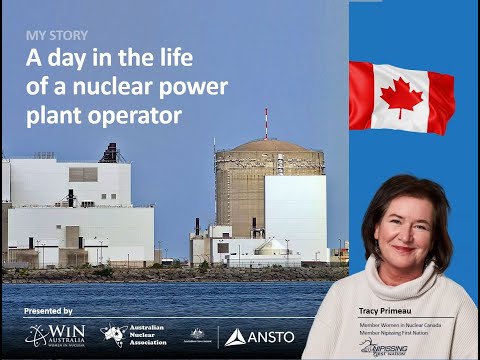
Photo: Yovko Lambrev (CC BY 3.0)
Job description
The job means physically adjusting reactor controls, positioning control rods and regulating coolant temperature or power flow according to strict standard procedures, while logging data throughout each shift. Operators also set up lockouts and tagouts so equipment can be repaired safely, and when something abnormal shows up, they diagnose the cause and recommend or take corrective action. Beyond the reactor itself, the role often includes monitoring boilers, turbines, and other auxiliary plant equipment tied into power generation. The pace is fast with real deadlines and serious consequences for mistakes, so the work is done in close coordination with a team, and it typically requires vocational training or an associate's degree, with pay ranging from about $98,600 to $149,300.
Pros
- Exceptionally strong pay across the board, entry-level pay is already strong and the ceiling reaches $149,310
- High level of responsibility and trust operating safety-critical equipment
- Achievable with vocational training or an associate's degree rather than a bachelor's
Cons
- Employment projected to shrink 15.3% over the next decade
- Extremely small, tightly regulated job market of about 400 positions nationwide, tied to existing reactor sites
- Above-average hours in a fast-paced role where mistakes can have serious safety consequences
A typical day
The reactor operator's day is built around the panel: after formal shift turnover, the morning's task is a planned power reduction for turbine valve testing — control rods and boron concentration adjusted in small, deliberate steps while another operator verifies each move against the reactivity plan. Between evolutions, the discipline is vigilance: log readings every hour, alarms acknowledged and understood rather than silenced, and a slow walk of the panels reading trends the way a pilot reads instruments. A failed indicator light triggers the full treatment — work order, independent verification, and an entry in the turnover log. Two hours of requalification training in the simulator cap the shift, practicing a loss-of-coolant scenario the operator hopes never to see and trains for as if it's certain.
Tasks at the job
- Operate nuclear power reactors in accordance with policies and procedures to protect workers from radiation and to ensure environmental safety.
- Adjust controls to position rod and to regulate flux level, reactor period, coolant temperature, or rate of power flow, following standard procedures.
- Develop or implement actions such as lockouts, tagouts, or clearances to allow equipment to be safely repaired.
- Respond to system or unit abnormalities, diagnosing the cause, and recommending or taking corrective action.
- Monitor all systems for normal running conditions, performing activities such as checking gauges to assess output or the effects of generator loading on other equipment.
- Monitor or operate boilers, turbines, wells, or auxiliary power plant equipment.
Workplace & working conditions
Work happens indoors in a climate-controlled setting, and you work in close physical proximity to coworkers or the public for much of the shift. Noise levels can be distracting or uncomfortable. Standard safety equipment like gloves or safety glasses is commonly worn.
The pace is often fast, with real time pressure to meet deadlines. Mistakes can have serious consequences, so accuracy matters a lot. You'll regularly deal with frustrated or upset people as part of the job, and almost all of the work is done as part of a team.
Education necessary or common
Vocational training, apprenticeship, or associate's degree
Licenses & certifications
- NRC Reactor Operator (RO) license (the job's defining credential)
- NRC Senior Reactor Operator (SRO) license (advancement)
Career path
Related fields
Courses to take
- AP Physics — neutron behavior and thermodynamics are the core content of operator training
- AP Chemistry — reactor coolant chemistry
- Precalculus and AP Calculus — training-program math
- Electronics CTE courses — instrumentation and control systems
- Health — radiation safety fundamentals
Clubs, activities & competitions
- Science Bowl — energy science competition
- JROTC, Civil Air Patrol, or Sea Cadets — watch-standing and procedural culture
- FIRST Robotics — controlled operation of complex systems
- Chess or strategy competition — sustained focused attention
First steps you can take now
- Investigate the Navy nuclear field seriously — it is the classic feeder into civilian reactor operations and pays you to train
- Read the NRC's public page on how operator licensing works
- Build a personal habit of checklist discipline and log-keeping in any technical hobby
- Contact your nearest nuclear plant about student tours and their operator apprentice pathways