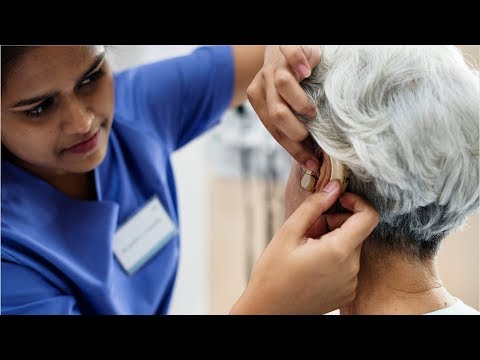
Photo: U.S. Air Force photo by Maj. Stephani Schafer (Public domain)
Job description
A visit typically starts with hearing tests, air conduction, bone conduction, or speech audiometry, to pinpoint the type and degree of hearing loss, followed by taking an ear impression to custom-fit a hearing aid or earmold. Specialists also counsel patients and families on communication strategies for coping with hearing loss and handle ongoing maintenance and repair once a device is in use. Much of the day is spent at a desk working closely with patients, following established testing and fitting procedures rather than improvising.
Pros
- Much faster than average projected growth (18.4%), a strong outlook given an aging population
- Solid upside pay potential (up to $94k) without needing a four-year degree
- Blends clinical testing with hands-on device fitting and repair, varied day to day
Cons
- Above-average hours, expect more than a standard 40-hour work week
- Only about 1,000 positions nationwide, so opportunities may be geographically limited
- Regularly working with patients adjusting to hearing loss requires patience and counseling skill
A typical day
The first appointment is a hearing test: the specialist seats a retired teacher in the sound booth, runs tones and speech through calibrated headphones, and plots the audiogram that maps exactly which frequencies she's losing. The next hour is a fitting — programming a new pair of hearing aids on the computer, fine-tuning gain while the patient reports how the specialist's voice sounds, then teaching her to change wax guards and pair the devices to her phone. Afternoon walk-ins bring cleanings, repairs, and an ear-mold impression made with careful silicone work. Between patients there are follow-up calls, because the difference between a returned device and a life changed is usually two weeks of patient coaching.
Tasks at the job
- Counsel patients and families on communication strategies and the effects of hearing loss.
- Select and administer tests to evaluate hearing or related disabilities.
- Administer basic hearing tests including air conduction, bone conduction, or speech audiometry tests.
- Maintain or repair hearing aids or other communication devices.
- Perform basic screening procedures, such as pure tone screening, otoacoustic screening, immittance screening, and screening of ear canal status using otoscope.
- Create or modify impressions for earmolds and hearing aid shells.
Workplace & working conditions
Work happens indoors in a climate-controlled setting, and most of the day is spent sitting at a desk, and you work in close physical proximity to coworkers or the public for much of the shift.
There's a regular, moderate amount of time pressure, and you're expected to exercise significant independent judgment day to day. The work is highly structured, following set procedures. You'll regularly deal with frustrated or upset people as part of the job.
Education necessary or common
Vocational training, apprenticeship, or associate's degree
Licenses & certifications
- State hearing aid dispensing license — the required credential in every state
- Board Certified in Hearing Instrument Sciences (BC-HIS)
- National Board Certification through the International Hearing Society
Career path
Related fields
Courses to take
- Anatomy and Physiology — the ear and auditory system are your entire territory
- Physics — sound, frequency, and amplification are applied acoustics
- Health Science electives — clinical vocabulary and patient care basics
- Psychology — most patients are adjusting to loss, and coaching them is the job
- Business or Entrepreneurship — many specialists run their own practices
Clubs, activities & competitions
- HOSA — health career events and exposure
- Volunteer with senior centers — your future patients, and practice communicating clearly
- School tech crew running sound equipment — hands-on acoustics
- Part-time retail or customer service work — fitting devices is half clinical, half service
First steps you can take now
- Shadow a hearing aid specialist or audiologist for a day — most practices welcome curious students
- Take a free online course on the basics of hearing and acoustics
- Volunteer at a senior center and practice conversing with people who have hearing loss
- Look up your state's hearing aid dispensing license requirements — many need only targeted training and an exam, not a degree