Photo: Wolfmann (CC BY-SA 4.0)
Job description
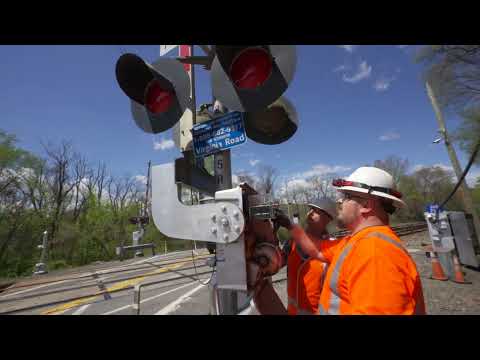
A typical day involves driving to job sites along the rail line, testing track circuits and signal equipment like interlocks and hotbox detectors for malfunctions, and fixing loose bolts or faulty electrical connections on crossing gates. The work splits between a fixed inspection route and responding to emergency repair calls, and it's done almost entirely as part of a signal maintenance crew following highly structured procedures. Expect regular outdoor exposure to weather, noise, and hazards, with standard protective gear required.
Pros
- Pay tops out near $120k with only vocational training or an apprenticeship, no bachelor's required
- Hands-on outdoor work mixing electrical, mechanical, and travel between job sites
- Exercises real independent judgment day to day rather than pure rote work
Cons
- Slower than average projected job growth (1.7%) limits new openings
- A small, geographically concentrated field tied to railroad infrastructure
- Regular exposure to hazardous equipment, heights, and outdoor weather conditions
A typical day
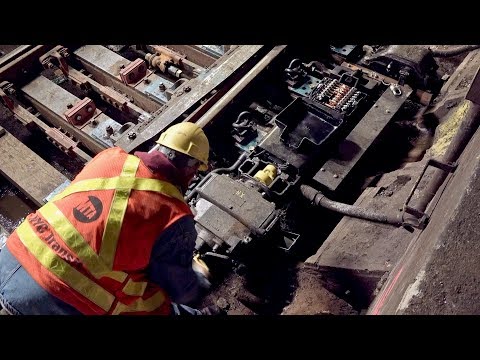
The signal maintainer's territory is forty miles of railroad, and the morning starts with the test schedule the FRA mandates: today it's a grade crossing — activating the circuit, timing the gates and lights against the standard, and documenting every reading, because this paperwork is the public's safety warranty. Mid-morning a trouble ticket arrives: a switch machine at the junction is throwing slow, and the maintainer finds worn contacts and adjusts the mechanism with trains routing around the work window. The afternoon holds battery checks at wayside signal locations, a cable fault chased with a meter along the right-of-way, and storm-season vegetation trimmed from signal sightlines. On-call nights are part of the deal; signals fail at 2am with conviction. The grid of safe rail movement runs through these hands.
Tasks at the job
- Inspect and test operation, mechanical parts, and circuitry of gate crossings, signals, and signal equipment such as interlocks and hotbox detectors.
- Inspect electrical units of railroad grade crossing gates and repair loose bolts and defective electrical connections and parts.
- Test and repair track circuits.
- Drive motor vehicles to job sites.
- Install, inspect, maintain, and repair various railroad service equipment on the road or in the shop, including railroad signal systems.
- Tighten loose bolts, using wrenches, and test circuits and connections by opening and closing gates.
Workplace & working conditions
Work happens primarily outdoors, exposed to whatever the weather is doing. Noise levels can be distracting or uncomfortable. The role involves regular exposure to hazardous equipment or conditions and contaminants and working at heights, and standard protective equipment (gloves, safety glasses, and similar) is expected.
There's a regular, moderate amount of time pressure, and you're expected to exercise significant independent judgment day to day. The work is highly structured, following set procedures. Almost all of the work is done as part of a team.
Education necessary or common
Vocational training, apprenticeship, or associate's degree
Licenses & certifications
- Railroad signal training and FRA qualification (employer-provided)
- OSHA 10
- Electrical technology certificates (helpful entry credential)
Career path
Related fields
Courses to take
- Electronics/Shop — circuits and relays are the daily work
- Physics — electrical fundamentals
- Computer Applications — modern signal systems are microprocessor-based
- Algebra — circuit and timing calculations
- English — federally mandated documentation
Clubs, activities & competitions
- Amateur radio club — electrical troubleshooting culture
- SkillsUSA — electronics events
- Robotics team
- Model railroading — signal logic is genuinely relevant
First steps you can take now
- Learn basic circuits and relay logic with a breadboard kit
- Look up railroad signal apprentice postings (Class I railroads train from scratch, hiring at 18+ with electrical aptitude)
- Get comfortable with a multimeter
- Take any electronics or electrical technology course available