Photo: Ximonic (Simo Räsänen) (CC BY-SA 4.0)
Job description
Rather than working out of a single shop, most technicians in this field cover an assigned territory, stopping at one location after another to test and fix whatever's broken, whether that's a jammed bill acceptor, a stuck vending slot, or a worn-out magnetic head on a card reader. The repairs themselves lean on basic hand tools and a soldering iron rather than anything exotic, but each stop also involves paperwork: logging transaction discrepancies and updating the maintenance history so the next visit goes faster. Because a broken machine usually means a frustrated customer standing right there, patience under pressure is as much a part of the job as the mechanical skill.
Pros
- Low barrier to entry: just a high school diploma plus on-the-job training
- A few thousand positions nationwide keep demand broader than niche repair trades
- Varied work, from electronics troubleshooting to cash handling and route service
Cons
- Above-average hours, routinely more than a standard 40-hour week
- Slowly shrinking field, projected to decline 2.9% over the next decade
- Regularly deals with frustrated customers over jammed machines or lost money
A typical day
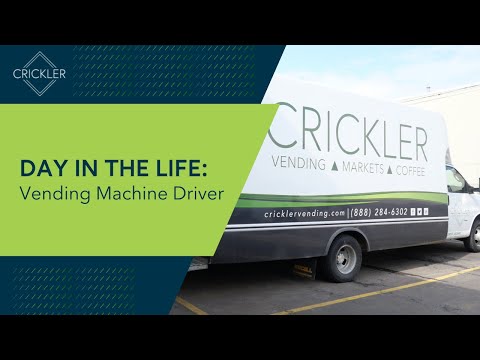
The van is loaded by 8: parts bins, a soldering iron, coin mechanisms, and a route sheet listing today's stops — an office building's snack machines, a laundromat's changer, an arcade with a claw machine eating quarters. Each stop is a diagnosis: a jammed bill validator gets stripped and cleaned, a vending motor that won't vend gets swapped, an arcade cabinet with a dead monitor gets traced to a failing power board. Cash handling is constant and logged carefully — collections counted, discrepancies noted, refill stock recorded. The best days are puzzle days: an intermittent fault nobody else could find, solved with a schematic and patience.
Tasks at the job
- Test machines to determine proper functioning.
- Adjust and repair coin, vending, or amusement machines and meters and replace defective mechanical and electrical parts, using hand tools, soldering irons, and diagrams.
- Record transaction information on forms or logs, and notify designated personnel of discrepancies.
- Inspect machines and meters to determine causes of malfunctions and fix minor problems such as jammed bills or stuck products.
- Replace malfunctioning parts, such as worn magnetic heads on automatic teller machine (ATM) card readers.
- Maintain records of machine maintenance and repair.
Workplace & working conditions
Work happens indoors in a climate-controlled setting. The role involves regular exposure to contaminants.
You're expected to exercise significant independent judgment day to day. You'll regularly deal with frustrated or upset people as part of the job.
Education necessary or common
High school diploma; some on-the-job training or apprenticeship
Licenses & certifications
- EPA 608 (for refrigerated vending units)
- OSHA 10
- Electronics technician certificates from community colleges (optional)
Career path
Related fields
Courses to take
- Electronics or Industrial Tech — circuits, motors, and mechanisms are the daily work
- Physics — electrical and mechanical troubleshooting logic
- Algebra — route math, cash reconciliation, parts inventory
- Computer Science Principles — modern machines run on boards and firmware
Clubs, activities & competitions
- SkillsUSA electronics or appliance repair tracks
- Robotics club — mechanical troubleshooting under time pressure
- Fix-it hobby: repair game controllers, bikes, or small appliances for friends
- Part-time retail or route-delivery work
First steps you can take now
- Take apart a broken small appliance and diagnose why it failed
- Learn multimeter basics — continuity, voltage, resistance — with an online tutorial
- Ask a vending route company if you can ride along for a day
- Practice soldering and connector repair on scrap electronics