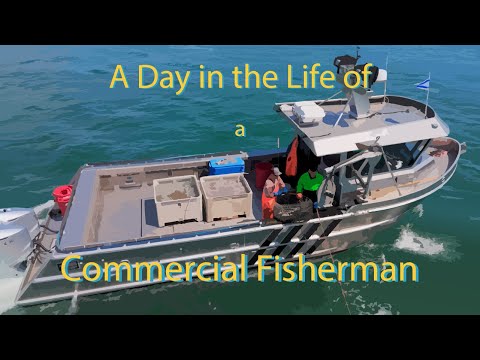
Photo: Photography by Dino Sassi - Marcel Fayon, Photo Eden LTD (Public domain)
Job description
The job includes patrolling trap lines to check settings and reset or relocate traps, traveling to hunting or fishing grounds by boat, snowmobile, or on foot, and, for trappers, skinning quarry and stretching pelts to be cured. Workers also need to secure permission from landowners before hunting or trapping on private land, and maintain their own equipment between trips. It's physically demanding outdoor work with real exposure to weather and hazardous conditions, and most workers learn the trade through hands-on experience rather than formal schooling.
Pros
- High day-to-day autonomy and independent judgment, without close supervision
- Genuinely varied, hands-on outdoor work spanning boats, traps, and remote terrain
- Low educational barrier to entry: high school diploma with on-the-job training
Cons
- Employment projected to shrink 4.6% over the next decade
- Only about 2,800 positions nationwide, a small and geographically limited field
- Above-average hours combined with real physical risk from equipment, terrain, and weather
A typical day
A trapline day starts before light: snowshoeing a six-mile loop to check sets, dispatching and field-dressing catches cleanly, and re-baiting with the wind in mind. On a fishing operation the same hours go to hauling nets or pots, sorting the catch by species and size with numb hands, and icing everything fast because quality is price. Midday is maintenance — mending gear, skinning and stretching pelts, engine work on the boat or snowmachine. The evening ledger tells the truth of the trade: fuel against fur checks or fish tickets, weather against the season's window, a life run on skill, stamina, and the market.
Tasks at the job
- Patrol trap lines or nets to inspect settings, remove catch, and reset or relocate traps.
- Obtain permission from landowners to hunt or trap on their land.
- Travel on foot, by vehicle, or by equipment such as boats, snowmobiles, helicopters, snowshoes, or skis to reach hunting areas.
- Steer vessels and operate navigational instruments.
- Skin quarry, using knives, and stretch pelts on frames to be cured.
- Maintain and repair trapping equipment.
Workplace & working conditions
Work happens primarily outdoors, exposed to whatever the weather is doing. The role involves regular exposure to hazardous equipment or conditions and contaminants, and standard protective equipment (gloves, safety glasses, and similar) is expected.
You're expected to exercise significant independent judgment day to day. The work is highly structured, following set procedures.
Education necessary or common
High school diploma; some on-the-job training or apprenticeship
Licenses & certifications
- State trapping and hunting licenses
- Commercial fishing permits/crew licenses by fishery
- First Aid/CPR and cold-water safety training
Career path
Related fields
Courses to take
- Biology — animal behavior, populations, and anatomy
- AP Environmental Science — seasons, regulations, and sustainability
- Small Engines/Shop — your equipment is your lifeline
- Business Math — this is self-employment with thin margins
- Geography — reading terrain, water, and weather
Clubs, activities & competitions
- Hunter education and trapper education courses (state-run, open to teens)
- 4-H shooting sports or outdoor skills projects
- FFA natural resources events
- Fish or hunt legally with an experienced mentor every season you can
First steps you can take now
- Complete your state's trapper or hunter education course this year
- Learn to process what you harvest — waste nothing, and the skill pays
- Work a summer on a charter dock or with a commercial fisherman
- Track fur or fish prices for a season to learn the economics