Photo: Brendaicm (CC BY-SA 3.0)
Job description
Working under a physician's direction, technologists calculate and administer radioactive doses, then use specialized cameras to track how the material moves through a patient's body and produce images for diagnosis. The job also includes routine quality control checks on equipment, careful documentation of every procedure, and strict handling and disposal of radioactive materials according to safety protocol. The pace is often fast with real deadlines, and because mistakes with radioactive materials carry serious consequences, the work is highly structured and precise. It typically requires vocational training or an associate's degree, and pays between $78,000 and $134,500.
Pros
- Strong pay ($78k-$134k) attainable with an associate's degree, no medical school needed
- Faster than average projected growth (3%) in a specialized, technical niche
- Hands-on work with advanced imaging technology most healthcare techs never touch
Cons
- Routine handling of radioactive materials requires strict safety and disposal procedures
- Mistakes can have serious consequences, so accuracy is essential under real time pressure
- Only about 900 positions nationwide, so opportunities may be geographically limited
A typical day
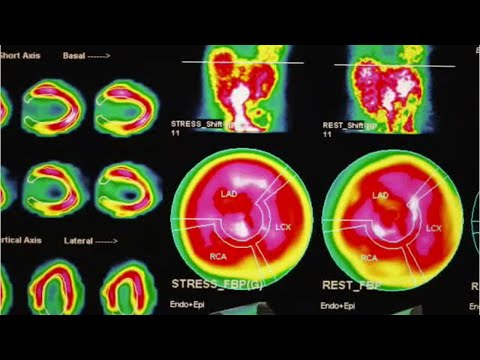
The hot lab is the day's first stop at 7am: eluting the technetium generator, assaying each dose in the calibrator, and logging activity levels — the radioactive pharmacy work patients never see. The first patient at 8 is a cardiac stress-and-rest study: IV injection, treadmill coordination with the nursing team, then gamma-camera imaging where positioning determines whether the cardiologist gets an answer or an artifact. A bone scan and a thyroid uptake study fill the late morning, each with its own isotope, timing, and protocol. After lunch comes a PET/CT patient with an anxious family who need the radiation-safety explanation delivered calmly and accurately. Quality control on the cameras, decay-corrected inventory records, and radioactive waste logging close a day spent handling materials most people fear, safely and routinely.
Tasks at the job
- Administer radiopharmaceuticals or radiation intravenously to detect or treat diseases, using radioisotope equipment, under direction of a physician.
- Detect and map radiopharmaceuticals in patients' bodies, using a camera to produce photographic or computer images.
- Record and process results of procedures.
- Produce a computer-generated or film image for interpretation by a physician.
- Perform quality control checks on laboratory equipment or cameras.
- Dispose of radioactive materials and store radiopharmaceuticals, following radiation safety procedures.
Workplace & working conditions
Work happens indoors in a climate-controlled setting, and you work in close physical proximity to coworkers or the public for much of the shift. Standard safety equipment like gloves or safety glasses is commonly worn.
The pace is often fast, with real time pressure to meet deadlines, and you're expected to exercise significant independent judgment day to day. Mistakes can have serious consequences, so accuracy matters a lot, and the work is highly structured, following set procedures. You'll regularly deal with frustrated or upset people as part of the job.
Education necessary or common
Vocational training, apprenticeship, or associate's degree
Common college majors
Licenses & certifications
- NMTCB or ARRT(N) certification
- State radiologic technologist license (where required)
- CPR/BLS
Career path
Related fields
Courses to take
- AP Physics — radioactive decay and imaging physics are the daily science
- Anatomy and Physiology — every image is anatomy; every scan targets an organ system
- AP Chemistry — radiopharmaceutical behavior in the body
- AP Biology — disease processes the scans reveal
- Algebra II — decay math and dose calculations
Clubs, activities & competitions
- HOSA-Future Health Professionals — medical imaging exposure and events
- Science Olympiad — physics and anatomy events
- Hospital volunteering, ideally near the imaging department
- Science fair project on radiation basics (safe demonstrations like cloud chambers)
First steps you can take now
- Build or watch a cloud-chamber demonstration to see radiation tracks with your own eyes
- Look up JRCNMT-accredited nuclear medicine technology programs — many are associate's degrees with strong pay outcomes
- Ask a hospital imaging department about shadowing a nuclear medicine technologist
- Learn the difference between nuclear medicine, X-ray, and MRI imaging — knowing why each exists impresses program interviewers